Protect Your Hands. Push Your Performance.
Your hands shouldn’t be the reason you have to stop a workout. Pull-up grips create a protective barrier between your palms and the bar, helping reduce friction, hot spots, callus damage, and painful tears during high-volume training.
Whether you're working through pull-ups, toes-to-bar, chest-to-bar, or muscle-ups, the right grips can help you stay on the bar longer and train with more confidence.
Protect Your Hands
High-rep gymnastics can destroy your palms fast. Grips help reduce direct friction against the bar, giving your hands an extra layer of protection when the volume starts adding up.
Stronger Grip. More Reps.
When your hands start slipping or your grip begins to fatigue, your sets get shorter. Grips can improve your connection to the bar and help reduce unnecessary hand fatigue, allowing you to stay focused on your movement instead of constantly resetting your hands.
Better Bar Control
Sweaty hands and fast-paced workouts can make the bar difficult to control. Quality grips provide additional traction and a more secure connection during movements like:
- Pull-ups
- Chest-to-bar pull-ups
- Toes-to-bar
- Bar muscle-ups
- Kipping gymnastics
- High-volume rig work
Better control means more confidence when it’s time to hang on.
Stay Consistent
A torn palm can turn one hard workout into several days of uncomfortable training. Protecting your hands helps you stay consistent, recover better between sessions, and keep showing up ready to work.
Built for High-Volume Training
The first round might feel easy. The fifth round is where your grip gets tested.
Grips help protect your hands as fatigue builds, making them especially valuable during high-volume WODs, competitions, qualifiers, and gymnastics-focused training.
Move With Confidence
When you're constantly thinking about your hands tearing or slipping from the bar, you're not fully focused on the workout. Grips give you the confidence to attack bigger sets and stay committed when the workout gets uncomfortable.
Competition Ready
Every break costs time.
During competition workouts, grips can help you maintain a more secure connection to the bar and reduce unnecessary breaks caused by slipping, hand discomfort, or friction. When seconds matter, efficient sets matter.
Reduce Callus Damage
Calluses are part of training, but excessive friction can cause them to become thick, painful, or tear unexpectedly. Grips help reduce direct contact between your palms and the bar, helping you better manage your hands over time.
Faster Transitions
Good grips should work with your workout—not slow you down.
They allow you to move efficiently between gymnastics, barbells, dumbbells, kettlebells, and other movements without spending unnecessary time adjusting your gear.
More Than Gear
Pull-up grips aren't just about protecting your hands. They're about removing one more limitation between you and your next rep.
Protect your hands. Control the bar. Stay in the fight.
Frequently Asked Questions
Do I really need pull-up grips for CrossFit?
You don't have to wear grips, but they can be extremely helpful if your training includes regular pull-ups, toes-to-bar, chest-to-bar, muscle-ups, or other high-volume gymnastics movements.
Do grips completely prevent hand tears?
No grip can guarantee that your hands will never tear. Proper grip sizing, hand care, technique, training volume, and callus maintenance all matter. Grips are designed to help reduce friction and provide an added layer of protection.
Can beginners use pull-up grips?
Absolutely. You don't need to be an advanced athlete to benefit from grips. Beginners can use them while developing pull-up strength, kipping technique, and confidence on the rig.
When should I start wearing grips?
If you're regularly training hanging gymnastics movements or noticing excessive friction, painful calluses, or hot spots on your palms, it may be time to start using grips.
Can I use grips for pull-ups?
Yes. Pull-ups are one of the most common movements athletes use grips for, especially during larger sets or high-volume workouts.
Can I use grips for toes-to-bar?
Yes. Grips can help protect your palms and improve your connection to the bar during toes-to-bar.
Can I use grips for chest-to-bar pull-ups?
Yes. They are especially useful during high-volume chest-to-bar workouts where friction and grip fatigue can build quickly.
Can I use grips for bar muscle-ups?
Yes. Many athletes use grips for bar muscle-ups to improve bar contact and protect their hands during aggressive pulling and turnover.
Should my grips be tight?
Your grips should feel secure without excessively restricting your wrist. Proper sizing is important for both comfort and performance.
Should I size down for a tighter fit?
We do not recommend sizing down. If you're between sizes, size up. Your grips need enough length to properly cover your palm and interact with the bar.
Do grips help with sweaty hands?
They can. A quality grip material can provide a more consistent connection to the bar when your hands become sweaty, although performance will vary depending on the grip material, bar surface, and amount of moisture.
Do grips reduce grip fatigue?
They may help reduce some of the hand fatigue caused by repeatedly squeezing and repositioning on the bar, allowing you to focus more on maintaining efficient sets.
Should I still take care of my calluses if I wear grips?
Yes. Grips are not a replacement for proper hand care. Keeping calluses smooth and maintained can further reduce the risk of painful tears.
Can I wear grips during competitions?
Grips are commonly used in functional fitness competitions, but athletes should always review the specific competition's equipment rules before competing.
Can I use grips without chalk?
That depends on the grip material and bar surface. Some grip materials perform extremely well with little or no chalk, while others may benefit from chalk. Always follow the recommendations for your specific grips.
How long should pull-up grips last?
Grip lifespan depends on training frequency, athlete weight, workout volume, bar texture, technique, and how the grips are cared for. Like any high-performance training equipment, they should be inspected regularly for excessive wear or damage.
How do I know when my grips need replacing?
Replace your grips if you notice significant tearing, separation, damaged wrist straps, weakened material, or anything that could compromise their security during training.
Can grips make me better at pull-ups?
Grips won't replace strength or technique, but they can help remove hand discomfort and slipping as limiting factors. That can allow you to focus more on your gymnastics and perform larger, more consistent sets.
Are pull-up grips worth it for high-volume workouts?
For athletes regularly performing high-rep gymnastics, they can be one of the most valuable pieces of training gear in your bag. Protecting your hands can make a major difference when workouts involve repeated rounds on the rig.
Which RBST grips should I choose?
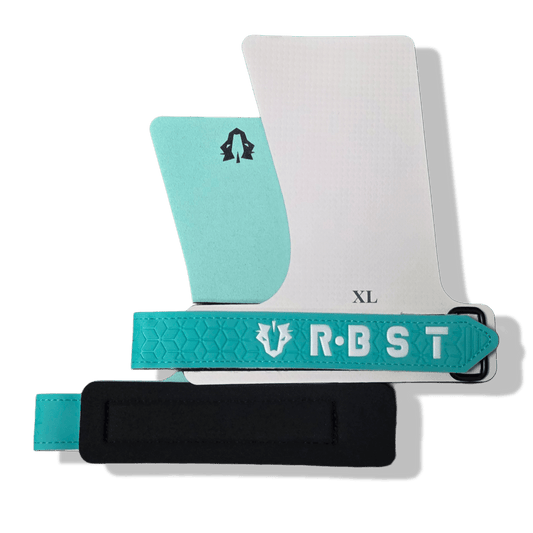
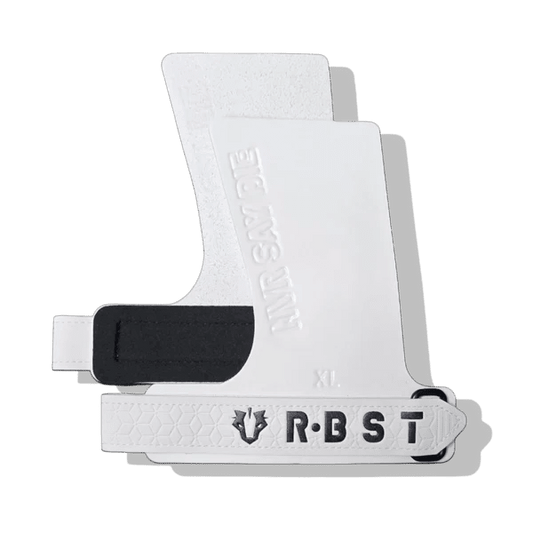
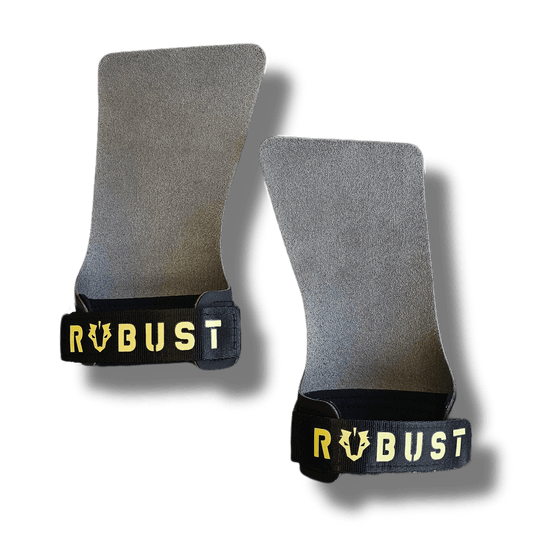
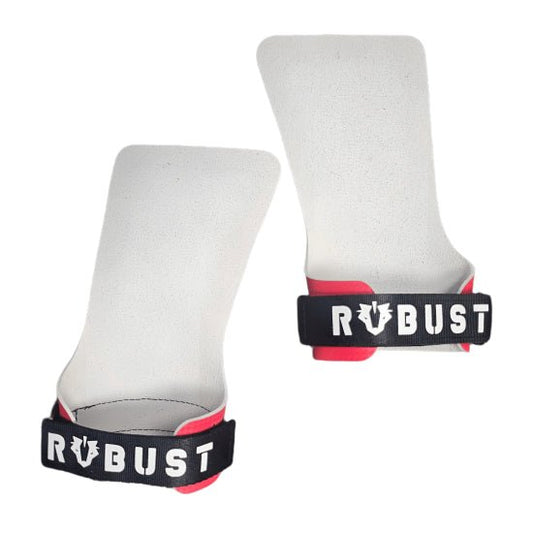
The best grip depends on your experience, training volume, and preferred feel. Athletes looking for a secure, comfortable grip can explore the IRON CLAW, while athletes wanting an ultra-thin, aggressive grip designed for high-volume performance can explore the IRON X.
Not sure which one is right for you? Explore the RBST grip collection and find the grip built for the way you train.